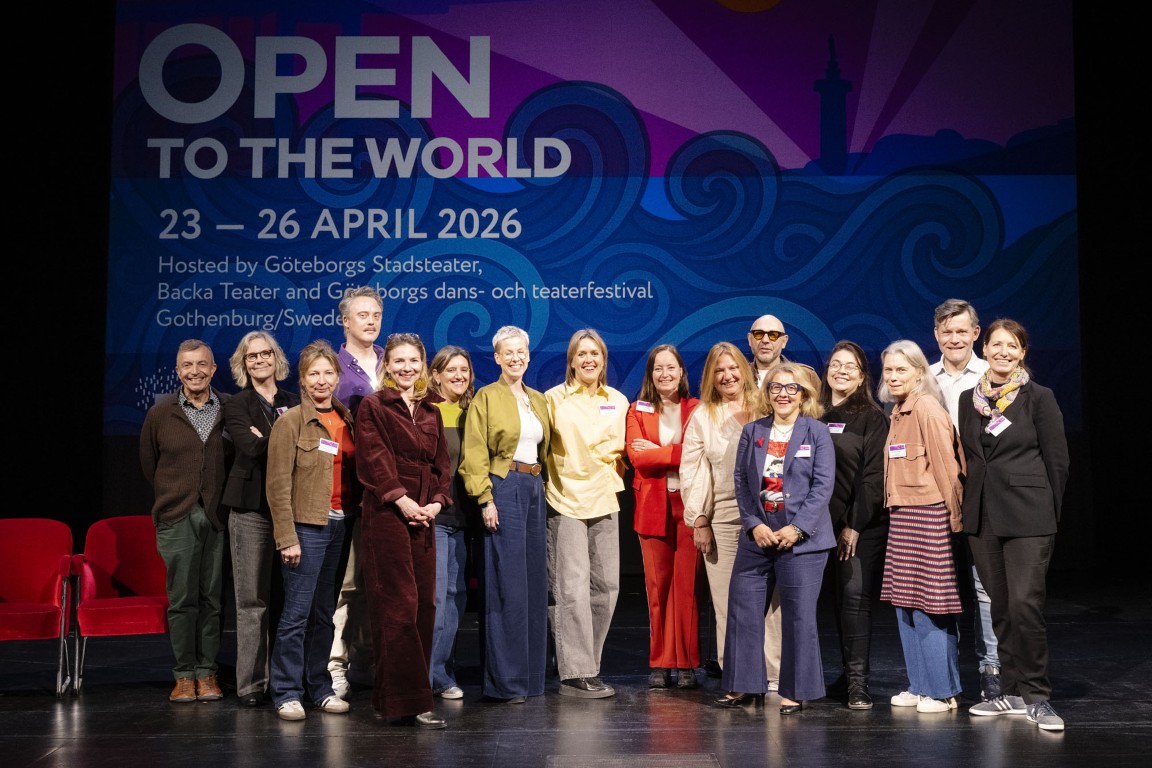

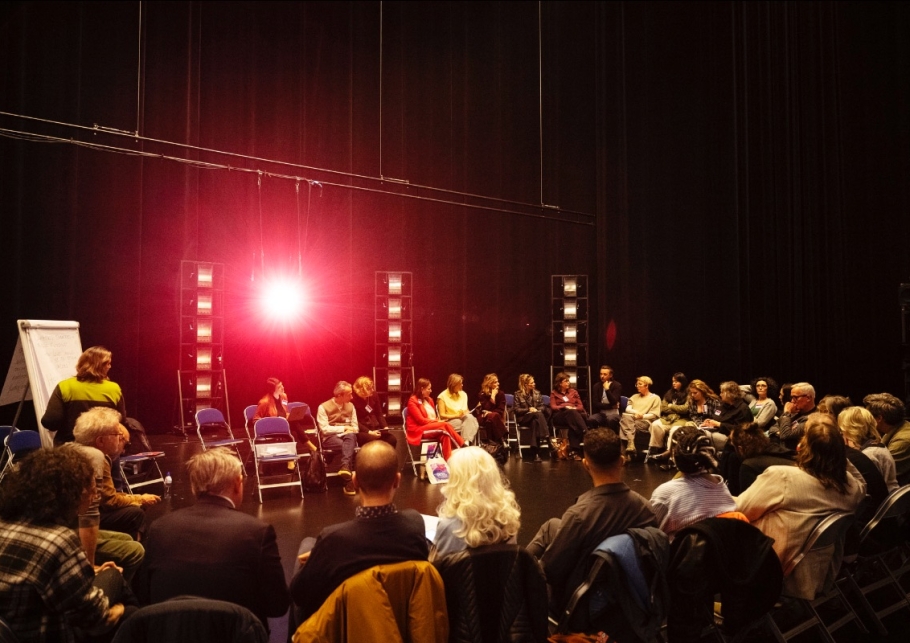
The conference marked an important milestone, with half of ETC’s publicly funded member theatres now led by women
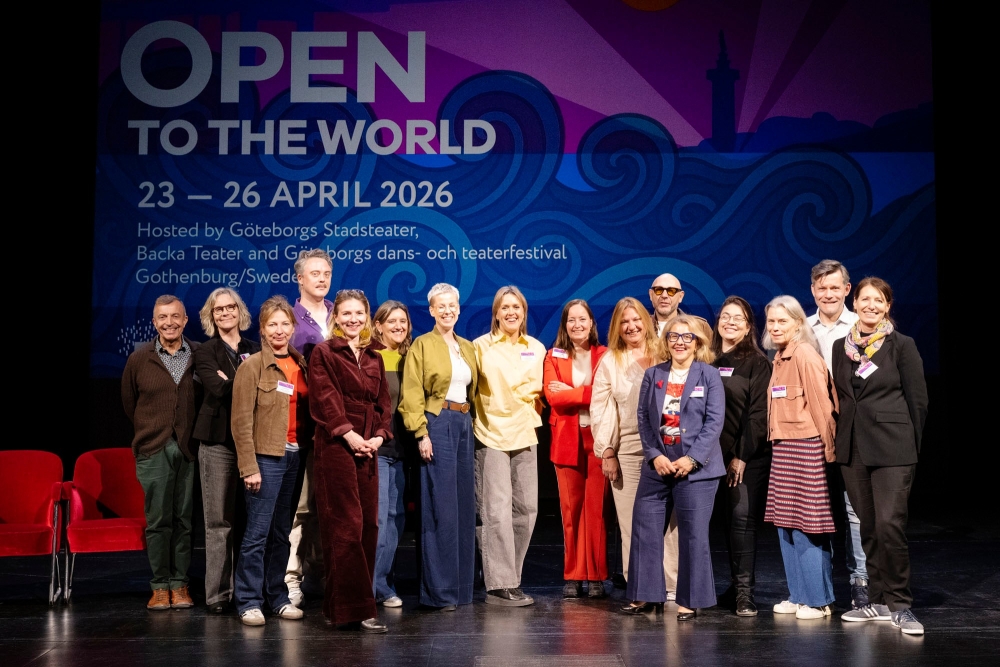
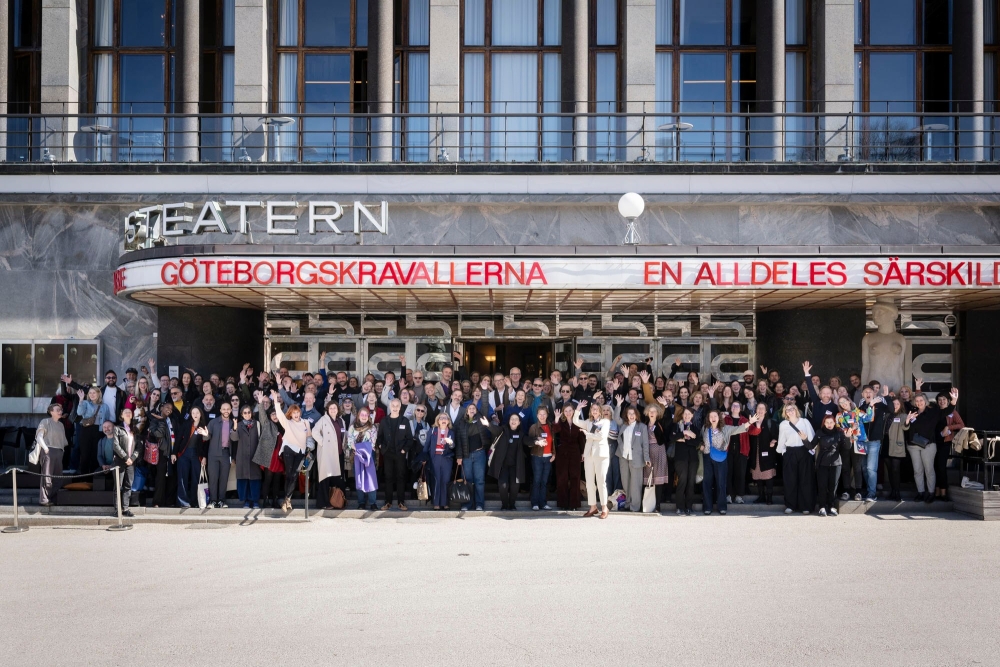
From 23–26 April, around 200 theatre leaders and performing arts professionals from 35 countries gathered at Gothenburg City Theatre (Göteborgs Stadsteater) and Backa Teater in Gothenburg, Sweden. As one of the key meeting points for international collaboration in the performing arts, this year’s edition, themed ‘Open to the World’, highlighted the role of theatre in a time of political and cultural change.
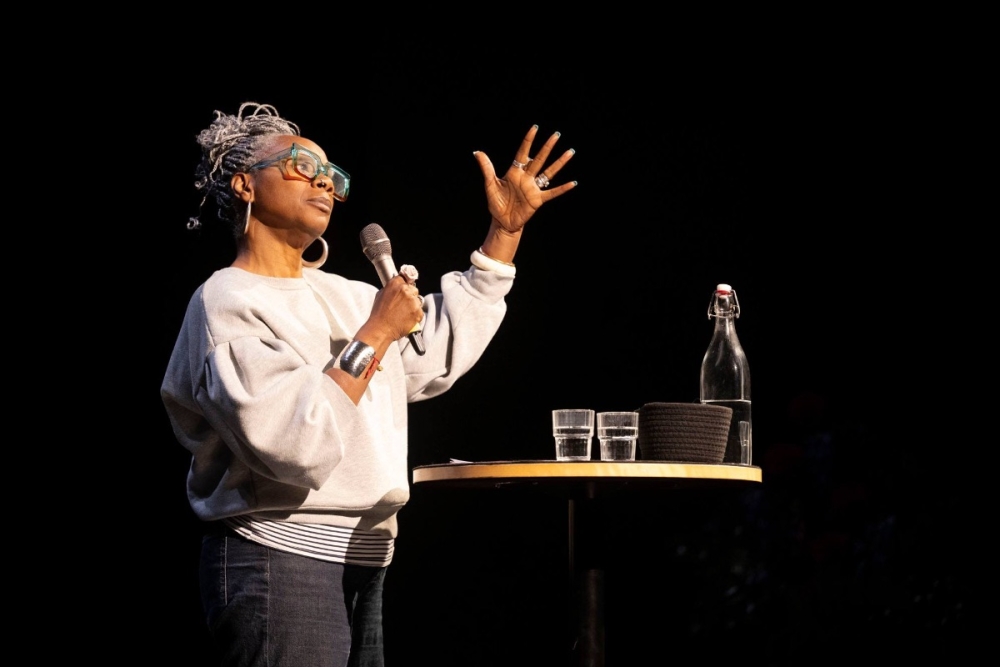
The conference kicked off with an electrifying keynote by Josette Bushell-Mingo, Principal and CEO of The Royal Central School of Speech and Drama and Artistic Director for The National Black Theatre of Sweden, who urged the audience and the theatre sector as a whole to remain adamantly open to new voices and ideas. From there the cultural leaders delved into issues of gender, the openness of the cultural sector, and the need to defend creative freedom despite political pressure.
‘By bringing together theatres from around Europe, “Open to the World” underlined how urgently we need to defend artistic freedom and quickly respond to threats. With the new Culture Compass for Europe and Creative Europe’s successor programme AgoraEU, we can ensure that Europe’s vibrant theatre sector remains independent and visible on the global stage,’ noted Judith Videcoq, Head of Unit for Creative Europe at the Directorate-General for Education, Youth, Sport and Culture of the European Commission.
Artistic freedom during troubling times
The first panel National Theatres in a Changing Political Landscape brought together theatre leaders from across Europe for a lively discussion on how the performing arts are affected by shifting political and cultural conditions – and the role international collaboration can play in safeguarding artistic freedom.
As ETC President Claudia Belchior observed, ‘being open to the world today is not simply a description. It is a position. And increasingly, it is a position that must be defended. In the context of intense political pressure, openness is no longer neutral, but a conscious choice.’
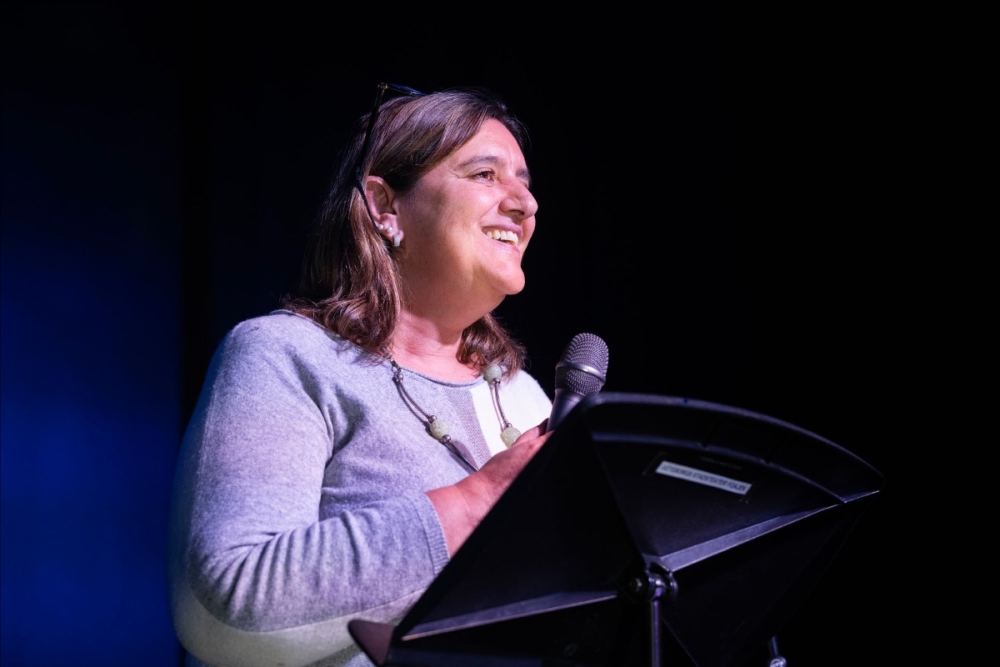
Gender on the agenda
Discussions on gender began with the words of the legendary director Katie Mitchell, Professor in Theatre Directing at Royal Holloway University, Professor of Practice at Central School of Speech and Drama and a Visiting Professor at Columbia University. Mitchell advanced a number of theses urging theatres to curate repertory through the lens of gender and confront issues such as the gender pay gap, violence against women and the need for allies.
The conference also marked a significant milestone: Through the initiative The 50%: Women in Leadership, half of ETC’s publicly funded member theatres are now led by women. Discussions focused on the situation for women in leadership positions in theatres across Europe and offered a Nordic perspective on the issue.
As ETC Executive Director Heidi Wiley noted, ‘As we have seen throughout the conference, the situation for women leaders varies greatly across Europe. While we celebrate this achievement, we look ahead with an ambitious agenda to ensure more gender equality across all EU Member States.’
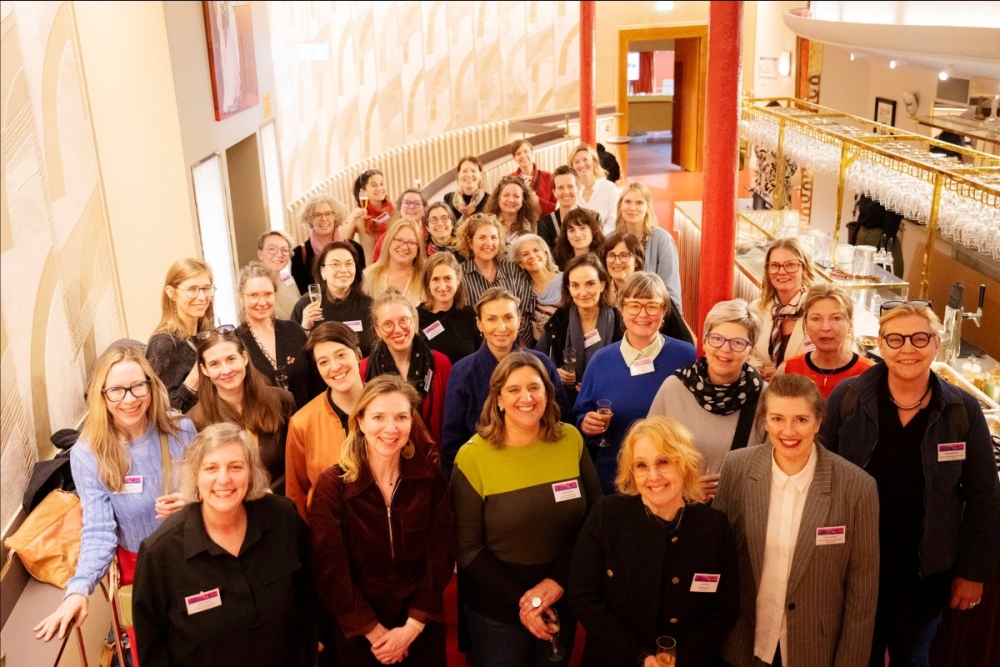
As noted by Frida Edman, CEO of Gothenburg City Theatre (Göteborgs Stadsteater), ‘Over the course of these days, it was clear that Europe’s theatre has many strong leaders despite challenges and pressures. Theatre has always been one of Europe’s most powerful arenas for democracy, diversity, and critical thinking. In an increasingly politically landscape—where culture itself is being questioned and funding is shrinking—its role becomes even more vital. The ETC conference reminded us of something fundamental: the strength of culture lies in its openness, to stand up for theatres in Europe is to stand up for an open Europe.’
Further conference speakers included Iris Laufenberg, Artistic Director of Deutsches Theater in Berlin, Kitte Wagner, CEO of the Royal Dramatic Theatre, Kjersti Horn, Director of Det Norske Teatret, Martin Kukučka, Artistic Director of the National Theatre of Prague, Norbert Rakowski, General Manager and Artistic Director of JK Opole Theatre, Argyro Chioti, Artistic Director of National Theatre of Greece, Linda Zachrison, Artistic Director of Göteborgs Stadsteater, Tom Leick-Burns, Artistic Director and General Manager, Les Théâtres de la Ville de Luxembourg, and theatre director Ildikó Gáspár.
The full conference speaker line-up and programme are available here.
Four new members join ETC
At an induction ceremony held during the conference, ETC welcomed four new members:
- Kungliga Dramatiska Teatern AB – Dramaten (SWEDEN)
- Kulturhuset Stadsteatern AB (SWEDEN)
- Slovensko mladinsko gledališče (SLOVENIA)
- Theater in der Josefstadt (AUSTRIA)
Media Contact
You can direct enquiries to Amy Pradell, ETC Senior Strategist for Communications, Fundraising and Advocacy apradell@europeantheatre.eu
About ETC
Founded in 1988, the European Theatre Convention (ETC) is the largest network of public theatres in Europe. It is an arts organisation that promotes European theatre as a vital platform for dialogue, democracy and interaction that responds to, reflects and engages with today’s diverse audiences and changing societies. ETC’s programme of grants and events support networking, professional development and artistic collaborations for theatre staff across Europe — championing theatre as a key European art form for the 21st century.
ETC has more than 80 members from 33 countries and is supported by the Creative Europe Programme of the European Union.
About co-organiser Göteborgs Stadsteater AB
The conference was co-organised by Göteborgs Stadsteater AB. The conference was previously held in Gothenburg in 2005. Gothenburg City Theatre and Backa Teater are part of Gothenburg City Theatre PLC (Göteborgs Stadsteater AB) which also includes Stora Teatern and the Gothenburg Dance and Theatre Festival.
Facts: ETC International Theatre Conference 2026
- Dates: 23–26 April 2026
- Venue: Gothenburg City Theatre and Backa Teater
- Participants: approximately 200
- Scope: over 80 theatres from 35 countries
- Organised by: European Theatre Convention in collaboration with Gothenburg City Theatre / Göteborgs Stadsteater and Backa Teater
- Target group: performing arts professionals
Facts: Gothenburg City Theatre (Göteborgs Stadsteater)
- One of Sweden’s leading theatre institutions, based in Gothenburg
- Founded in 1934 as part of Gothenburg’s major cultural development at Götaplatsen
- Produces contemporary and classical drama across several stages
- Engages in national and international collaborations within the performing arts
Facts: Backa Teater
- A prominent theatre for young audiences
- Founded in 1978
- Known for innovative and socially engaged productions
- Reaches both young people and adult audiences
- Regularly collaborates with international artists and companies